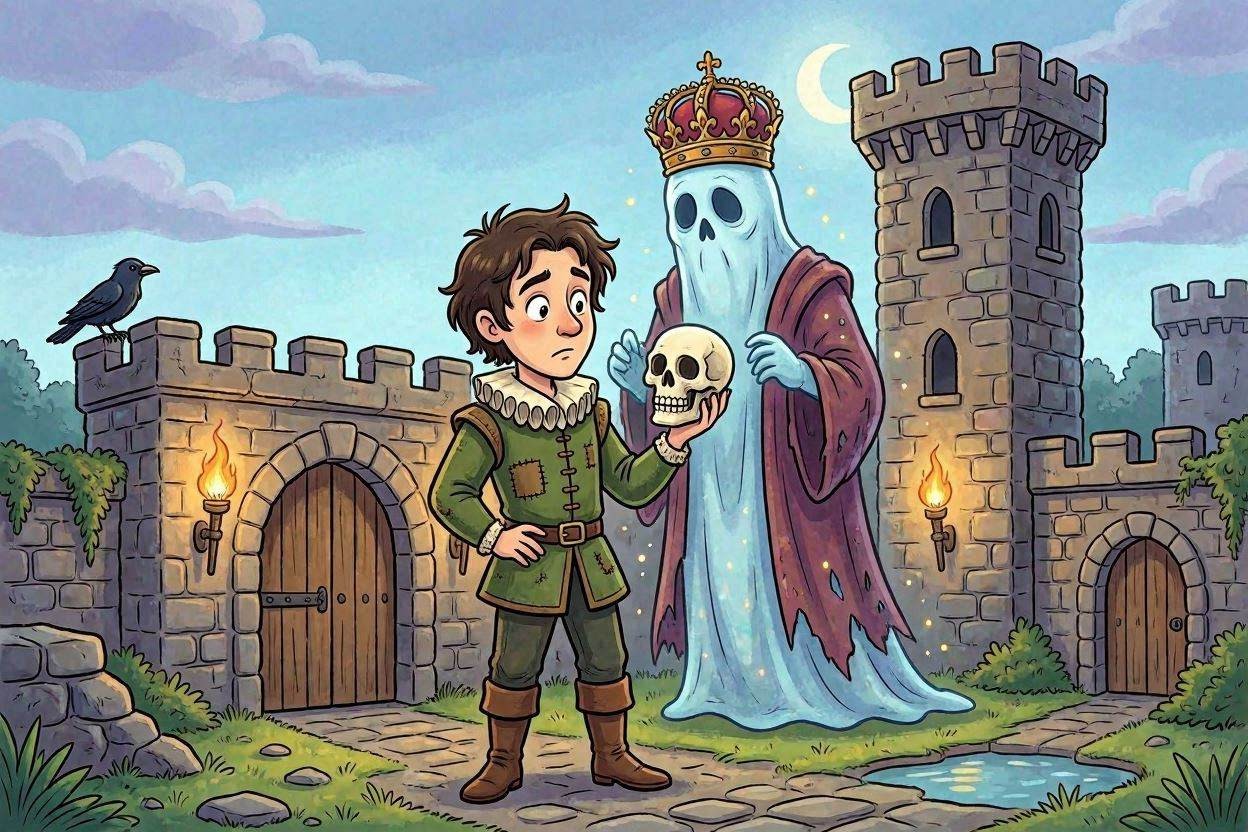
The 4% Rule Is Dead. Hamlet Tells Us Why.

Alas, poor 4% rule. I knew it well. The rule was born in 1994, the creation of financial advisor William Bengen, who studied historical market data back to 1926 and asked a simple question: what withdrawal rate would have survived every 30-year retirement period in stock market history? His answer was 4%. His research was … Read more

ACA Subsidy Cliff by State: A 2026 Breakdown of Insanity

Worried about healthcare? Me too. The specter of healthcare as retirement obstacle for us 50+ year old Americans is inconceivable. The fact that healthcare costs so much is inconceivable. As of Dec 31, 2025, the federal subsidies have lapsed without a plan, also inconceivable. Perhaps I should stop using that word. The Princess Bride was … Read more

“Life Moves Pretty Fast”: the Retirement Smile

“Life moves pretty fast. If you don’t stop and look around once in a while, you could miss it.” — Ferris Bueller, 1986 Ferris Bueller understood something that most retirement planners don’t. In this choice movie, Ferris Bueller’s Day Off, all of the adults thought Ferris was reckless, and irresponsible. But Ferris understood at seventeen … Read more

What is a DIY Retiree?

Your Yellow Brick Road to Retirement The moment you receive your first paycheck you’ve started along that yellow brick road toward the retirement. That was so many years ago for some of us, we may have forgotten this, but retirement represents the destination many of us are trying to get to: living independent of the … Read more

Can I Retire at 62? You Can, But it’s Risky Business

Excerpt:
62 is the most popular retirement age in America — and the riskiest. Before you make this decision, here’s the math most retirement articles skip: Social Security timing, the healthcare gap, sequence of returns risk, and what one more year actually buys you. Run your own numbers with our free retirement probability simulator.

“How Much Do I Need to Retire?”

The 25x rule gives you a number. But retirement planning has too many variables — Social Security, spending patterns, taxes, healthcare, timeline — for any single multiplier to capture.
Here’s why the retirement question you should be asking isn’t “how much do I need?” but rather: “what’s my probability of success?